


Key Performance Indicator Cards
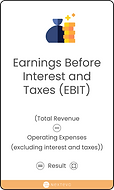


Our KPI Cards are tailored to aid in AI Opportunity Mapping, providing a clear and concise overview of essential business metrics.
They help in identifying and understanding key KPIs, crucial for measuring the effectiveness of AI strategies. These cards ensure that your AI initiatives are aligned with specific business goals, facilitating informed decision-making.

Performance Goal Achievement Rate
This KPI measures the proportion of set performance goals that employees successfully achieve. It's indicative of how well employees meet their objectives, reflecting on their performance and productivity.
(Number of Goals Achieved / Total Number of Goals) × 100 = Result (%)

Employee Burnout Rate
This KPI quantifies the level of high stress reported by employees, reflecting the organisation’s work environment and its impact on employee well-being.
(Employees Reporting High Stress Levels / Number of Employees Surveyed) × 100 = Result (%)

Employee Satisfaction Improvement Rate
This KPI assesses the change in employee satisfaction over time. It's calculated by comparing the most recent ESAT score to the previous, offering insights into the effectiveness of workplace enhancements and policies.
(Latest ESAT Score - Previous ESAT Score) / Previous ESAT Score × 100 = Result (%)

Onboarding Success Rate
This KPI measures the effectiveness of the employee onboarding process. It's calculated by the ratio of employees successfully onboarded to those attempted, indicating how well new hires are acclimated to the organisation.
(Employees Successfully Onboarded / Number of Employees Attempted) × 100 = Result (%)

Workplace Safety Incidents
This KPI tracks the total number of safety incidents reported in the workplace. It's vital for assessing the safety environment of the workplace and the effectiveness of health and safety policies.
Total Number of Safety Incidents Reported in the Workplace = Result (#)

Diversity and Inclusion Index
This KPI evaluates the level of diversity and inclusivity within an organisation. It's calculated based on the representation of diverse groups in the workforce, highlighting the company's commitment to a diverse and inclusive work environment.
(Number of Employees in Each Diversity Group / Number of Employees) × 100 = Result (%)

Leadership Effectiveness Score
This KPI assesses the performance of organisational leaders, based on the total score from leadership assessments. It's an important measure for evaluating the effectiveness and impact of leadership within the company.
Total Score from Leadership Assessments / Number of Assessments Conducted = Result (Score)

Average Employee Tenure
This KPI calculates the average length of time employees remain with the organisation. It's an indicator of employee satisfaction and loyalty, as well as the effectiveness of retention strategies.
Total Years of Service by Employees / Number of Employees = Result (Years)

Internal Mobility Rate
This KPI measures the rate at which employees move into new roles within the organisation. A higher rate suggests robust internal career development opportunities and employee growth.
(Number of Employees Who Moved Internally / Number of Employees) × 100 = Result (%)

Employee Wellness Participation Rate
This KPI assesses employee participation in wellness programmes. It's a measure of employee engagement in their health and well-being, reflecting the effectiveness of these programmes.
(Employees Participating in Wellness Programs / Number of Employees) × 100 = Result (%)